Mokslo rezultatai
|
|
|
|
||
|
|


Social Sciences and Humanities in intersectoral Outreach for better education and sustainable innovations (SHOUT) No. 612364-EPP-1-2019-1-LT-EPPKA2-KA
At the time when European (and the rest of the world) societies are facing dramatic changes and is dealing with complex inter-linked global problems, leading to an unpredictable future with conflicting visions of better society (Vision and Trends of Social Innovation for Europe, 2017), greater attention must be given to the insights Social Sciences and Humanities (SSH) could offer, in the view of promoting social innovative solutions to address societal challenges. For more information visit - https://shout-project.eu/

Empower Girls to Embrace Their Digital and Entrepreneurial Potential (GEM) No. LC-01380173 (Girls4STEM-2019)
Encouraging girls to pursue STEM and ICT carriers, enabling society to support these endeavours
The main objectives of the project are to inspire and enable Europe’s girls to tap their STEM, digital and entrepreneurial potential and to enable EU society to support these endeavours.

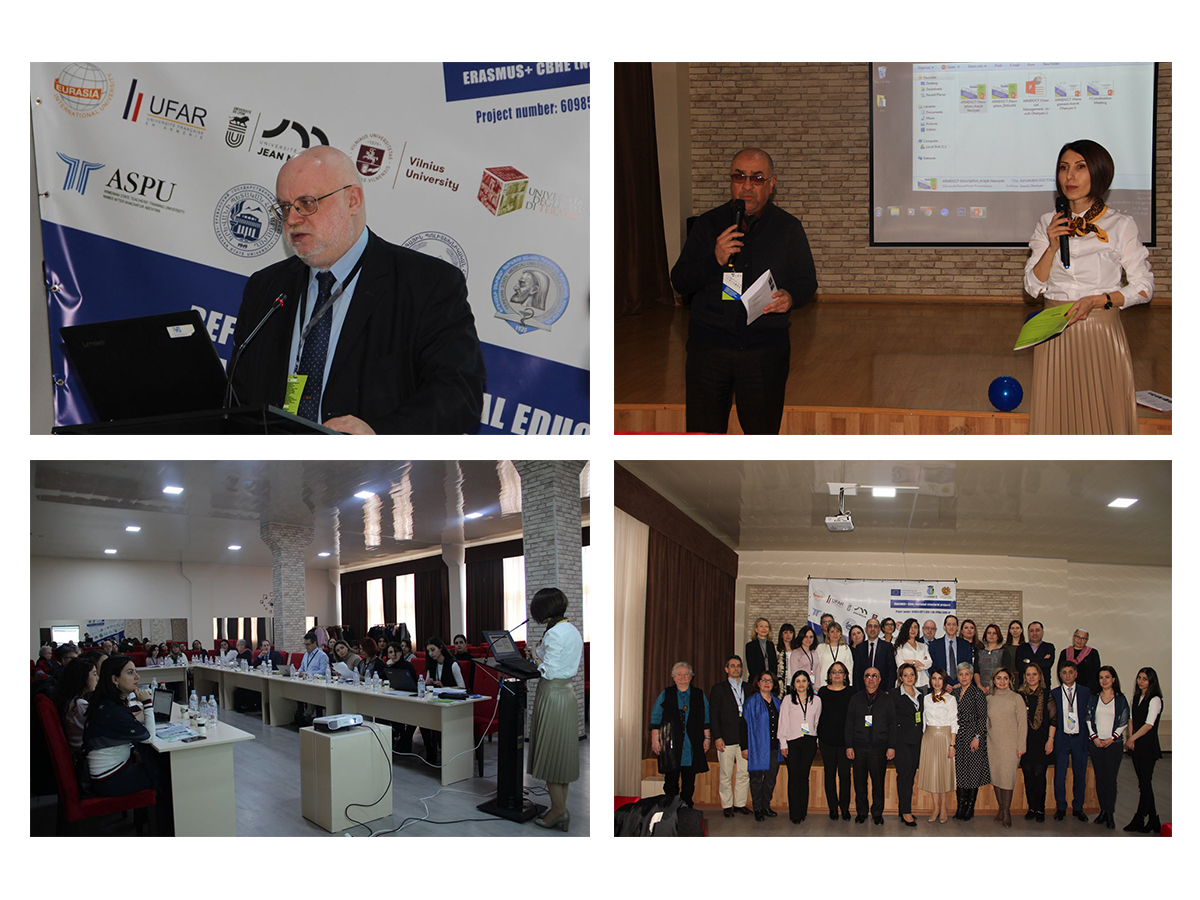
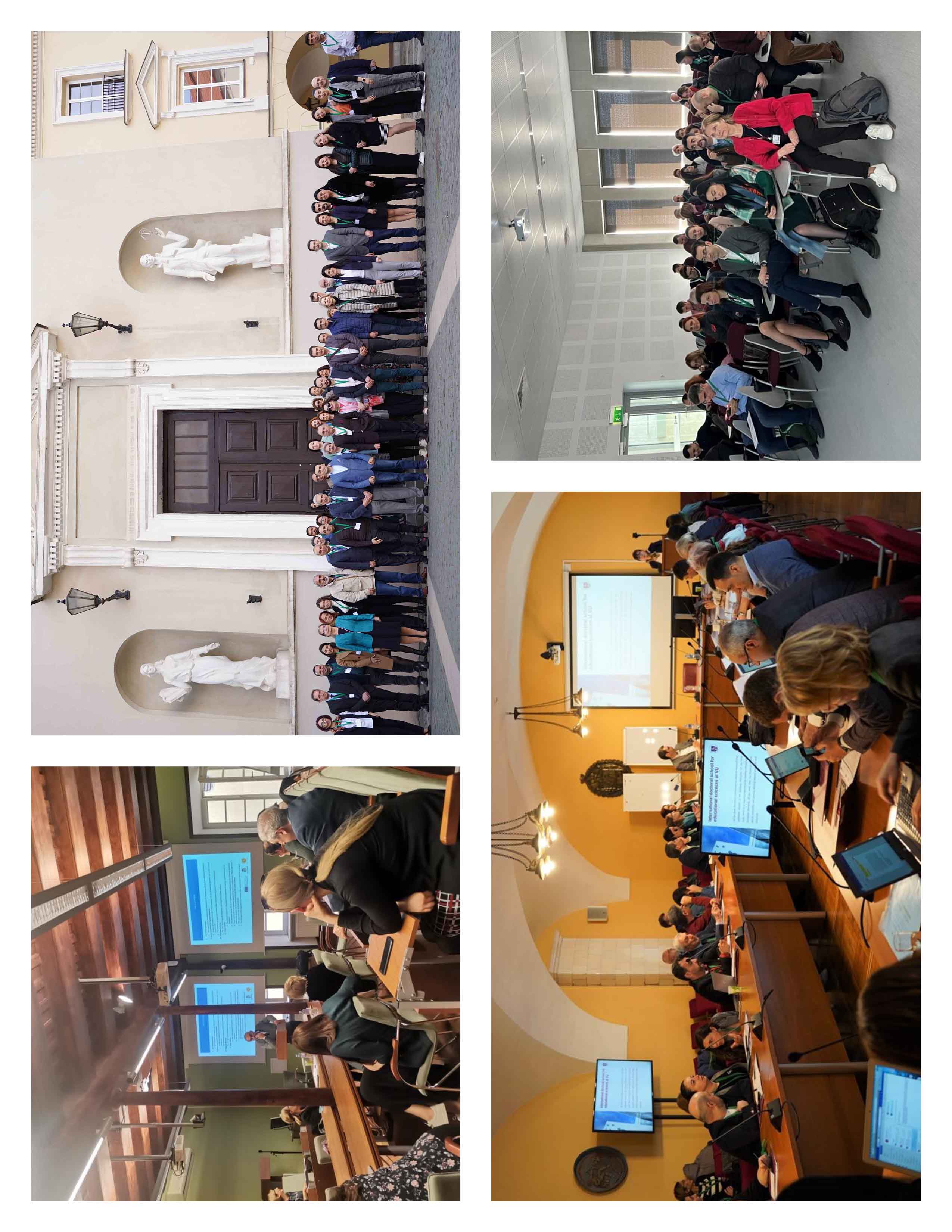
Reforming Doctoral Education in Armenia in Line with Needs of Academia, Industry and Current EU practices (ARMDOCT) (609850-EPP-1-2019-1-AM-EPPKA2-CBHE-SP)
The ARMDOCT project addresses an urgent need in Reforming Doctoral Education (DE) in Armenia with the emphasis on policy, legal framework and institutional procedures supporting integrative and internationally-oriented doctoral studies.
Skaityti daugiauJaunesnio mokyklinio amžiaus vaikų interneto naudojimo sąsajos su jų socialine emocine raida bei santykiais su tėvais Latvijoje, Lietuvoje ir Taivanyje: tęstinis tyrimas“
 Projektas vykdomas pagal Bendradarbiavimo tarp Lietuvos Respublikos švietimo ir mokslo ministerijos, Kinijos Respublikos (Taivano) Nacionalinės mokslo tarybos ir Latvijos Respublikos švietimo ir mokslo ministerijos programą. Projektą finansuoja Kinijos Respublikos (Taivano) Nacionalinės mokslo taryba (MOST) ir Lietuvos mokslo taryba (LMT), sutarties nr. S-LLT-18-3.
Projekto laikotarpis: 2018 m. sausio mėn. - 2021 m. sausio mėn.
Projekto vadovas: prof. dr. Roma Jusienė
Projektą vykdo: prof. dr. Roma Jusienė, dr. Vilmantė Pakalniškienė, dr. Ilona Laurinaitytė, Monika Kuzminskaitė, Laura Vitkė
Apie projektą:
Šio projekto tikslas yra aiškintis jaunesnio mokyklinio amžiaus (8-10 m.) vaikų naudojimosi internetu, vaikų emocinių bei socialinių sunkumų ir tėvų elgesio, arba tėvystės praktikų, sąsajas tęstinėje perspektyvoje trijose skirtingose kultūrose: Latvijoje, Lietuvoje ir Taivane.
Projekte dalyvauja beveik 300 pradinio mokyklinio amžiaus vaikų ir tiek pat jų tėvų iš kelių Vilniaus miesto mokyklų.
Klausimai į kuriuos ieškoma atsakymų:
Ar ir kaip vaikų naudojimasis internetu siejasi (ilgalaikėje perspektyvoje, t. y. vienerių metų laikotarpiu) su jų socialiniais emociniais bei elgesio sunkumais, bendrai prisitaikymu ir savijauta?
Ar ir kaip vaikų naudojimasis internetu siejasi su šeimų socialiniais demografiniais veiksniais, namų aplinka, tėvystės praktikomis, apimant elgesį su vaiku bei domėjimąsi vaiko naudojimusi internetu; be to, kaip pastarieji veiksniai sąveikauja su vaiko socialine emocine raida bei prisitaikymu?
Ar ir kaip šios sąsajos panašios (skiriasi) trijose šalyse – Latvijoje, Lietuvoje, Taivane, t. y. koks socialinio kultūrinio konteksto vaidmuo aiškinant šiuos ryšius?
Skaityti daugiau
Enabling Mental Health Benefits: resilience, achievement, competencies and engagement in improved higher education policy and practice for student wellbeing No. 2019-1-UK01-KA203-062148
EMBRACE HE, is a project specially designed to help address problems of mental health and lack of wellbeing in students in higher education. The mental health and wellbeing of youth in Europe is a high concern and this group includes students, who similar to other young people, often suffer anxiety, depression, attempted suicide and serious mental health problems. If not addressed, many of these problems can continue onto later life, in employment, family life and society and can also negatively effect day to day activities of study, progression and achievement in study, participation in social life and activities, networking and developing interpersonal skills.
Skaityti daugiau

Teaching in Higher education Effectively via Eye-tracking No. 2019-1-TR01-KA203-077213
"Teaching in Higher education Effectively via Eye-tracking" - THEE project aims to explore in-class interactions in university classrooms to present classroom management strategies by using eye-tracking technology with a holistic perspective.


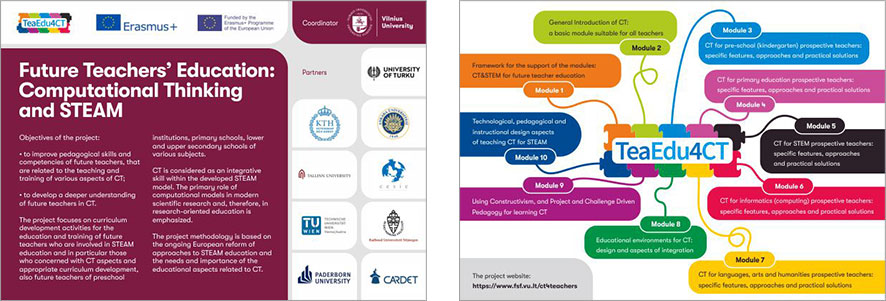
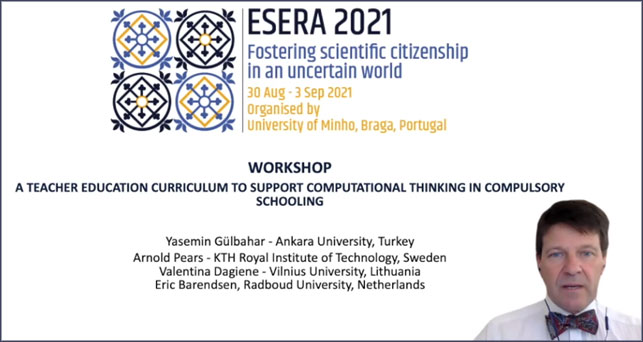
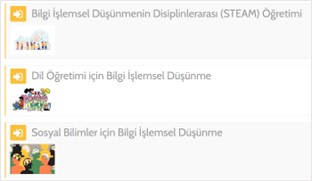
The project develops innovative educational approaches of Computational Thinking (CT) and related to transdisciplinary and holistic STEM perspectives for future teacher education. We develop a pragmatic methodology to CT as to asset of tools, techniques and approaches which enable a seamless transition from the young child's unplugged type of activities to the comprehensive modelling and computer simulation activities of K-12 and early university students.
Skaityti daugiauEuro-Asian Collaboration For Enhancing Stem Education/EASTEM Nr. 598915-EPP-1-2018-1-SE-EPPKA2-CBHE-JP
Projekto laikotarpis: nuo 2019-01-15 iki 2022-01-14
Finansavimo šaltinis: Erasmus+